
 Tiếng Việt
 中文 (中国)

All activities in the shrimp body are ruled and affected by the hepatopancreas organ. For a healthy body, good growth, and successful crop, farmers should pay special attention to the farmed shrimp hepatopancreas.
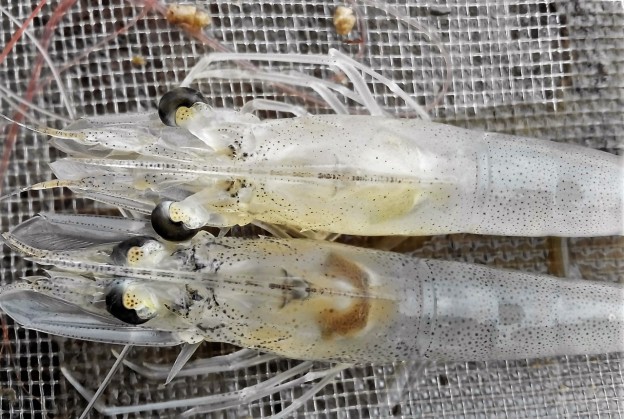
- The role of the hepatopancreas
Detoxifying and anti-stress for shrimp when facing adverse conditions
Secreting digestive enzymes
Absorbing and digesting the feed
Storing lipid droplets, glycogen, nutrients, and minerals
Transporting digestive substances
Synthesizing protein in the shrimp body
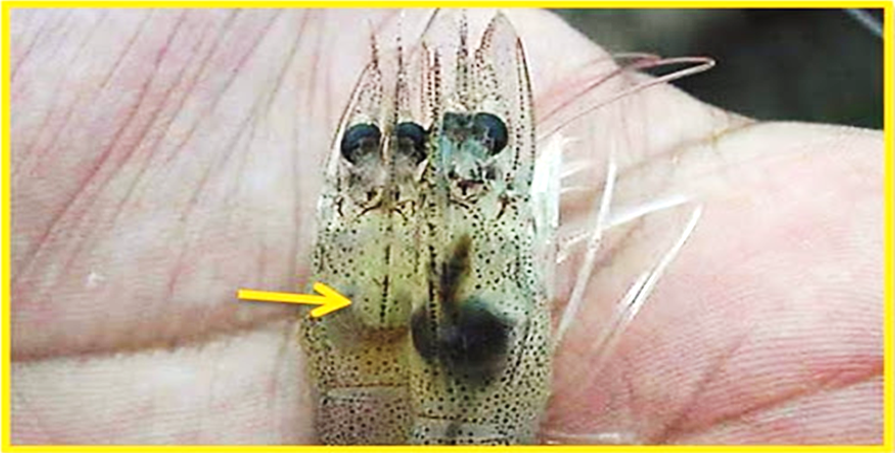
*Common diseases on shrimp hepatopancreas include liver swelling, atrophy, discoloration.
The hepatopancreas is the most nutrient-dense organ in the shrimp body. Impaired hepatopancreas function and aging immune system create conditions for harmful organisms such as viruses, parasites, and molds to enter the shrimp hepatopancreas
- Disease management
Periodically monitor water quality, check the health of shrimp hepatopancreas and water environment to handle when occurring pathogens promptly.
DOMESTICATED SHRIMP POSTLARVAE – THE KEY TO SUCCESS
See more:
- Ecuador hosts global shrimp buyers for second shrimp summit
- Bioremediation For Profitable Vannamei Shrimp Farming
- Heat wave causes a huge loss to the Satkhira shrimp farmers
SẢN PHẨM PHỤC VỤ NỀN NÔNG NGHIỆP XANH
TIN TỨC NỔI BẬT
A comparison of resource use in shrimp farming, part 3: Energy
Shrimp farming in the five major exporting countries could use less energy by focusing on [...]
Sep
A comparison of resource use in shrimp farming, part 2: Water
Shrimp farming uses very little freshwater directly – only that required for drinking purposes, sanitation [...]
Sep
A comparison of resource use in shrimp farming, part 1: Land
The intensity of shrimp production could be greatly increased without any additional direct land use [...]
Sep
Study finds marine amphipods can upcycle crop waste into aquaculture feeds
Researchers found marine amphipods can convert agricultural waste into nutritious ingredient for aquaculture feeds Researchers [...]
Sep
Water quality impacts on health and performance of fish and shrimp, Part 3: The nitrogenous compounds ammonia, nitrite and nitrate
Effective monitoring and management of ammonia, nitrite and nitrate are essential in intensive aquaculture systems, [...]
Sep
Nitrogen isotopes help researchers verify fishmeal sources for aquafeeds
Nitrogen isotope signatures can verify fishmeal use in aquaculture diets, potentially improving seafood traceability Researchers [...]
Aug
Water quality impacts on health and performance of fish and shrimp, Part 2: pH, carbon dioxide, alkalinity, hardness and the water buffering system
Although there is a general consensus on the importance of water quality, many farmers still [...]
Aug
Impact of Novel Feed Ingredients on Growth, Digestibility, Enzymes, and Gene Expression in Pacific White Shrimp, Penaeus vannamei
As aquaculture strives for sustainability, replacing fish meal in shrimp diets remains a challenge. This [...]
Jul
Effects of Shrimp Aquaculture on Mangrove Soil Carbon Stocks and Sustained-Flux Global Warming Potentials
Mangrove forests provide critical ecosystem services, including serving as nursery habitats for fish, protecting coastlines [...]
Jul
Warming-Driven Migration of Enterotypes Mediates Host Health and Disease Statuses in Ectotherm Litopenaeus vannamei
With modern industrialization and urbanization, global warming has become a serious threat to ecosystems, especially [...]
Jul
Pivotal Roles of Fish Nutrition and Feeding: Recent Advances and Future Outlook for Brazilian Fish Farming
As global aquaculture shifts toward ecological responsibility, Brazil’s nutritional strategies are evolving to reduce reliance on [...]
Jul
Analyze of Production Performance of Shrimp Litopenaeus vannamei Culture and Water Quality on Earthen Pond Quality on Earthen Pond and HDPE-Lined Pond
As global demand for seafood continues to rise, aquaculture faces increasing pressure to optimize production [...]
Jul