
 Tiếng Việt
 中文 (中国)

Herbaceous plant known to have medicinal properties, is used by indigenous people in India
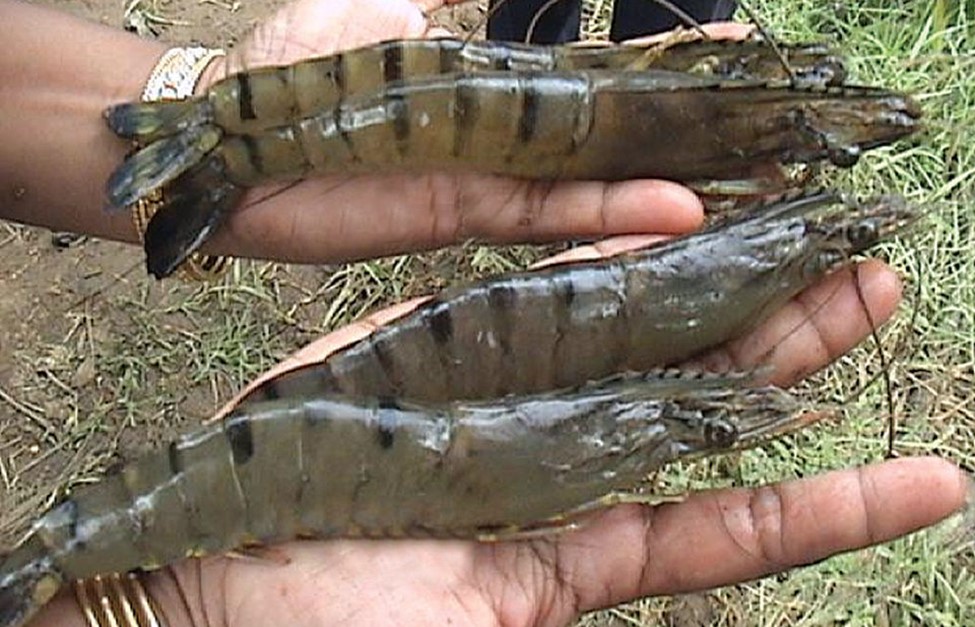
Medicinal herbs have been tested and used with good results in the control of viral and bacterial diseases in shrimp. Boerhaavia diffusa, commonly known as red hogweed and punarnava in Sanskrit, is a herbaceous plant of the family Nyctaginaceae. Known to have medicinal properties, the plant and its specific parts have a long history of use by indigenous and tribal people in India. The root juice is used to cure asthma, urinary disorders, leukorrhea, rheumatism and encephalitis. It is also commonly used as an immunostimulant in the traditional ayurvedic system.
Plant antiviral properties
The roots of punarnava are a rich source of a basic protein used for inducing systemic resistance in many susceptible crops against commonly occurring viruses. Studies have shown that the purified glycoprotein from punarnava exhibits strong antimicrobial activity against RNA bacteriophages. This protein or antiviral agent is active against tobacco mosaic virus, sunn hemp rosette virus and gomphrena mosaic virus when applied two to 24 hours before inoculation by the respective inoculum of viruses.
The root glycoprotein functions as a signal molecule and is of great interest because it has a role in stimulating the defense systems of plants against viruses. Owing to the high antiviral efficacy of punarnava, it was tested under field conditions as well as against a few viral diseases of economically important crops. The purified glycoprotein from punarnava reduced infection and multiplication of tomato yellow leaf curl virus, papaya ring spot virus and cucumber green mottle mosaic virus.
Resistance to WSSV
In research by the authors, comparisons of various dosages of punarnava revealed that it has strong antiviral properties against white spot syndrome virus (WSSV) in shrimp. Animals fed higher dosages of punarnava extract survived until the experiment was terminated 14 days after WSSV infection.
A possible mechanism for the antiviral activity may be the reaction between the bioactive compound in the extract and the envelope proteins of the virus, which prevents the entry of the virus into the host. The bioactive compound may prevent the multiplication of the virus in the host cell.
Another suggestion is that the bioactive compound in punarnava might act as an immunostimulant like prophenoloxidase, superoxide anion or nitric oxide of shrimp to enhance innate immunity against WSSV. The antioxidant property of the active compound protects the cells from the free radicals raised as a result of WSSV infection.
Growth-promoting potential
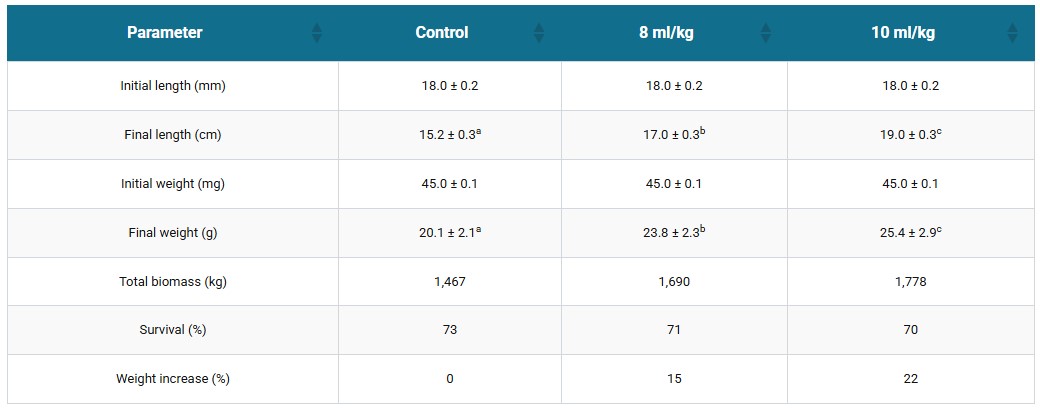
Results from a pond trial clearly revealed the growth-promoting potential of an alcohol extract of punarnava in tiger prawns (Fig. 1). Higher growth was observed in punarnava-fed shrimp when compared to a control. Maximum growth reached 10 ml/kg fed shrimp (Table 1). During sampling, the shrimp under treatment were healthy, active and brighter in color than the control animals.
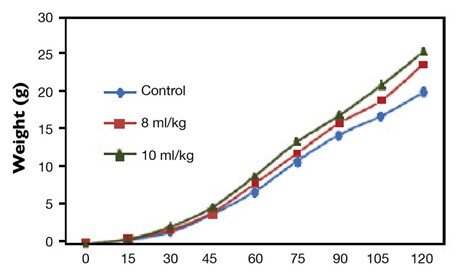
The higher growth observed in the treatment group may have been due to the immunomodulatory effect of the bioactive compound in the herbal extract, which might have induced voluntary feed intake.
Exogenous punarnava was found to increase digestive enzyme activity in the alimentary canals of goats by stimulating the acinar cells in their gastrointestinal tracts. The increase in feed-conversion efficiency of the shrimp that received the extract could be due to the increased digestive enzyme activity in the alimentary canal or the increased rate of assimilation (Table 2).
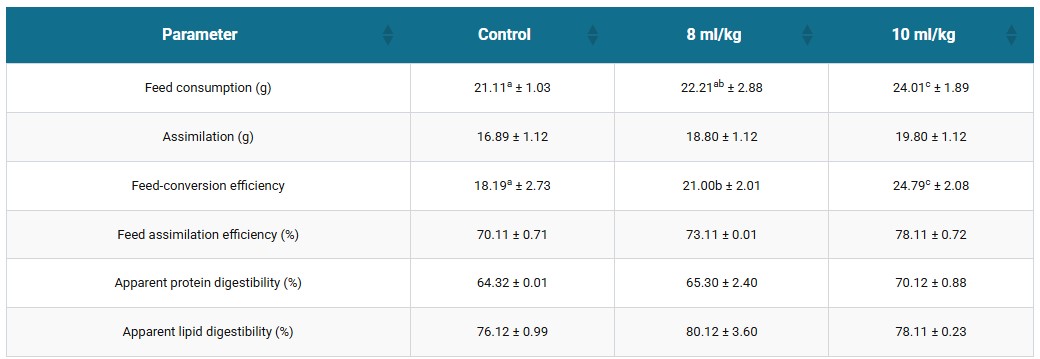
Table 2. Feed utilization of P. monodon fed diets with punarnava.
Immunomodulatory properties
A low-circulating hemocyte count is strongly correlated with greater sensitivity to pathogens, and higher total hemocyte counts in hemolymph is correlated with the health of shrimp. Quantitative assessment of hemocyte populations has been proposed as a means to measure cellular immunological response in crustaceans.
Three morphologically distinct types of hemocyte – hyaline, granular and semi-granular – have been identified in shrimp. These cell types demonstrate a variety of activities, including phagocytosis, encapsulation and nodular aggregation. THC was reported to decrease significantly in L. vannamei infected with Taura syndrome virus.
In the present study, total hemocyte counts showed a notable increase in extract-fed shrimp compared to the control. This may have resulted from the stimulatory effect of compounds present in punarnava for the synthesis of hemocytes in the body.
The RNA:DNA ratio indicates the activity of protein synthesis and could be a sensitive tool for investigating the effectiveness of different diets in promoting growth. In the present experiment, RNA:DNA ratios were higher in the treated shrimp than in the control animals (Table 3). A higher RNA:DNA ratio indicates high protein synthesis, which is also an index of growth per cell.
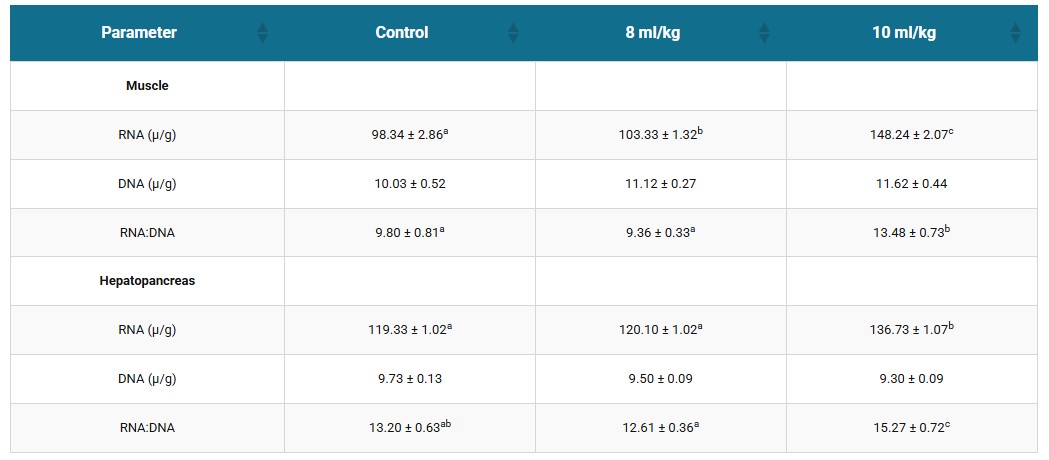
Table 3. RNA:DNA ratio in the muscle and hepatopancreas of shrimp.
DNA concentrations in cell nuclei are considered an index of cell numbers that contribute to the unit weight of tissue, while RNA concentrations relate to the metabolic functions of tissue. It can be inferred that the high growth rate observed in punarnava-fed shrimp may be due to the enhanced protein synthesis.
Perspectives
The aqueous crude extract from the dried roots of punarnava was found significantly active against viruses that affect mung beans, watermelons, musk melons and gourds. In treated plants, the antiviral agent from punarnava not only decreased disease symptom severity but also protected the plants against infection.
Although numerous studies prove the antiviral property of punarnava against plant viruses, the authors’ research examined the impacts of punarnava in resisting WSSV in penaeid shrimp. The antiviral agent isolated from this plant was found to be a glycoprotein with a molecular weight of 16 to 20 kDa. Since it has strong activity against WSSV, further work on the isolation and characterization of the active compound of the herb needs to be carried out to apply it further in shrimp culture.
By Sambhu Chithambaran, Sherly David
Source: https://www.globalseafood.org/advocate/red-hogweed-fights-wssv-promotes-growth-in-tiger-shrimp/
Read more:
Aquafeed applications of shrimp processing waste
SẢN PHẨM PHỤC VỤ NỀN NÔNG NGHIỆP XANH
TIN TỨC NỔI BẬT
A comparison of resource use in shrimp farming, part 3: Energy
Shrimp farming in the five major exporting countries could use less energy by focusing on [...]
Sep
A comparison of resource use in shrimp farming, part 2: Water
Shrimp farming uses very little freshwater directly – only that required for drinking purposes, sanitation [...]
Sep
A comparison of resource use in shrimp farming, part 1: Land
The intensity of shrimp production could be greatly increased without any additional direct land use [...]
Sep
Study finds marine amphipods can upcycle crop waste into aquaculture feeds
Researchers found marine amphipods can convert agricultural waste into nutritious ingredient for aquaculture feeds Researchers [...]
Sep
Water quality impacts on health and performance of fish and shrimp, Part 3: The nitrogenous compounds ammonia, nitrite and nitrate
Effective monitoring and management of ammonia, nitrite and nitrate are essential in intensive aquaculture systems, [...]
Sep
Nitrogen isotopes help researchers verify fishmeal sources for aquafeeds
Nitrogen isotope signatures can verify fishmeal use in aquaculture diets, potentially improving seafood traceability Researchers [...]
Aug
Water quality impacts on health and performance of fish and shrimp, Part 2: pH, carbon dioxide, alkalinity, hardness and the water buffering system
Although there is a general consensus on the importance of water quality, many farmers still [...]
Aug
Impact of Novel Feed Ingredients on Growth, Digestibility, Enzymes, and Gene Expression in Pacific White Shrimp, Penaeus vannamei
As aquaculture strives for sustainability, replacing fish meal in shrimp diets remains a challenge. This [...]
Jul
Effects of Shrimp Aquaculture on Mangrove Soil Carbon Stocks and Sustained-Flux Global Warming Potentials
Mangrove forests provide critical ecosystem services, including serving as nursery habitats for fish, protecting coastlines [...]
Jul
Warming-Driven Migration of Enterotypes Mediates Host Health and Disease Statuses in Ectotherm Litopenaeus vannamei
With modern industrialization and urbanization, global warming has become a serious threat to ecosystems, especially [...]
Jul
Pivotal Roles of Fish Nutrition and Feeding: Recent Advances and Future Outlook for Brazilian Fish Farming
As global aquaculture shifts toward ecological responsibility, Brazil’s nutritional strategies are evolving to reduce reliance on [...]
Jul
Analyze of Production Performance of Shrimp Litopenaeus vannamei Culture and Water Quality on Earthen Pond Quality on Earthen Pond and HDPE-Lined Pond
As global demand for seafood continues to rise, aquaculture faces increasing pressure to optimize production [...]
Jul